
Annual Forums Presents
Materials Series 2026
World Congress on Smart Materials & Structures
Theme: “Emerging Breakthroughs in the Field of Smart Materials and Structures”
Dates: March 05, 06 & 07, 2026
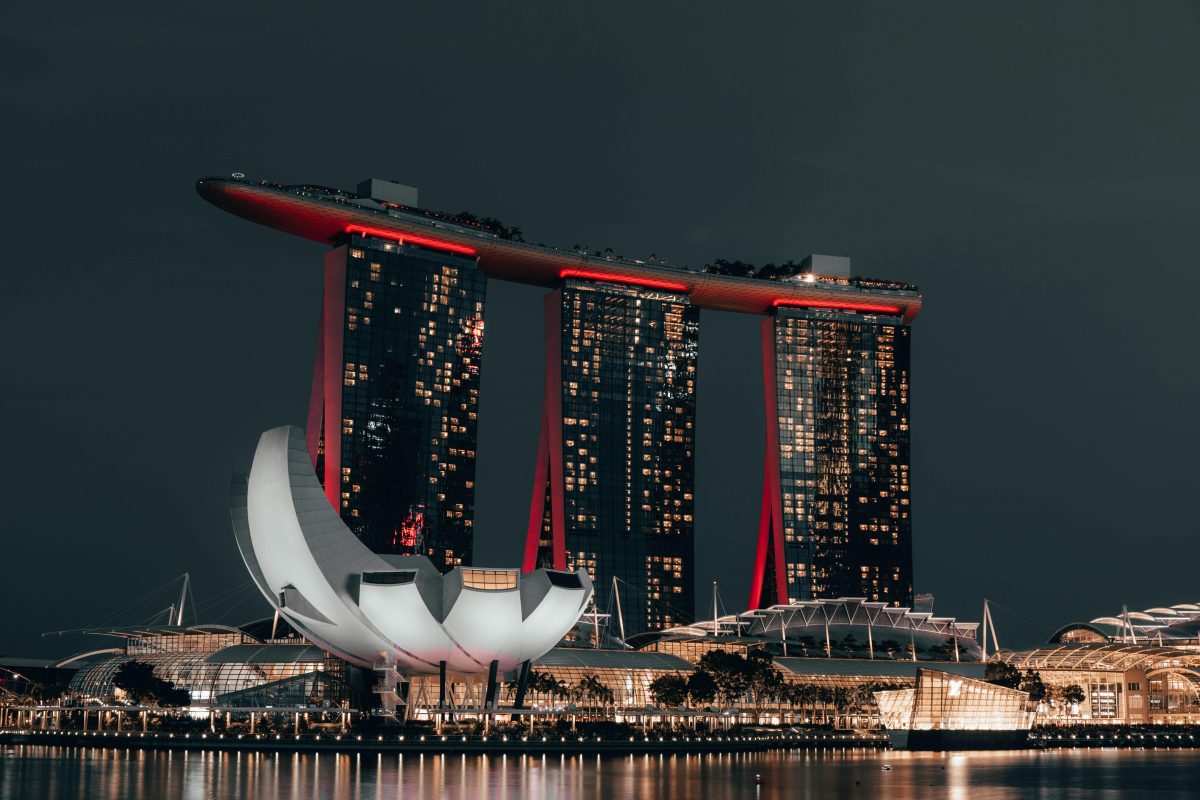
Venue: Village Hotel Changi, Singapore
Dates are open for Abstract Submission and Registrations
All applicants are advised to follow the deadlines.
"Meet the Global Leaders at Materials Series 2026"
Join our In-person conference during March 05, 06 & 07, 2026 at Village Hotel Changi, Singapore
Keynote Presentations
Oral Presentations
Poster Presentations
Academia & Business

Abstract Deadlines
08 January, 2026
Email US at
Final Registration
08 January, 2026
Meet Materials Series 2026 Elite Speakers
Join with our global experts at Materials Series 2026 | March 05, 06 & 07, 2026 | Village Hotel Changi, Singapore

Yan Song
Shanxi Key Lab. of Carbon Materials, China

Prof. Dr. Eva Rauls
University of Stavanger, Norway

Fangying Zhou
Beijing Forestry University, China

Yuyang Ding
China Institute of Atomic Energy, China
Osman Adiguzel
Firat University, Turkey
Omar Boualam
Sidi Mohammed Ben Abdellah University, Morocco
Yahui Zhang
Memorial University of Newfoundland, Canada
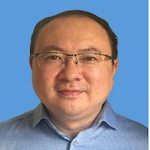
Wen Huang
Hefei University of Technology, China
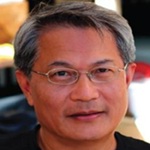
Yen-Ho Chu
National Chung Cheng University, Taiwan, ROC

Mikayel G. Melkumyan
“Melkumyan Seismic Technologies” LLC, Armenia
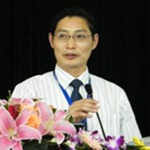
Zhenggui Gu
Nanjing Normal University, China

Vladimir G. Chigrinov
Hong Kong University of Science and Technology, Hong Kong
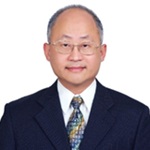
Win-long Chia
Fu Jen Catholic University, Taiwan
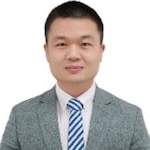
Yu Wang
South China University of Technology, China
Weihong He
Sichuan University, China
Ze Yang
Beijing Forestry University, China
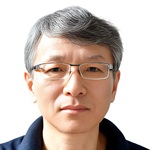
Huang Weimin
Nanyang technological University, Singapore
Prof. Chung Hsin Lu
National Taiwan University, Taiwan

Dr. Daniel José da Silva
Palacký University Olomouc, Czech Republic

Munusamy Thirumavalavan
Saveetha Engineering College, India
Materials Series Session Highlights
Tracks 01 to 14
Smart Materials & Structures
Advances Materials & Engineering
Advanced Optical Materials
Catalysts
Chemical and Chemical Engineering
Applied physics
Polymer Science and Polymeric Materials
Nanomaterials, Nanotechnology and Sensors
Electrical and Magnetic Materials
Optical Materials
Carbon Nanomaterials, devices and technologies
Hydrogen Energy
Bioenergy
The Future of Piezoelectricity
Tracks 15 to 27
Biomaterials and Tissue Engineering
Mining and mineralogy
Advances in Energy and the Environment
Nanotechnology in Healthcare
Nanomedicine and Biomedical Engineering
New Energy Materials
Energy-saving Materials
Energy Storage Materials
Materials Science and engineering
High Entropy Alloys
Metallurgy and Materials Science
Bio-materials and Tissue Engineering
Carbon Nanomaterials and Nanostructures
Tracks 28 to 39
Carbon Nanomaterials, devices and technologies
Nanomedicine and Biomedical Engineering
Architecture and Civil Engineering
Advances in Manufacturing & Instrumentation Technology
Electrical, Optical and Magnetic Materials
Spintronics and quantum structures
Corrosion, alloys, Mining and Metallurgy
Nanorobots, Nanoelectronics and Nano Photonics
Nanotechnology for Energy and the Environment
Semiconductors: Fundamentals to Emerging Applications
Scope of Nanotechnology in Europe
Explore Materials Series 2026
Welcome to the International Conference on Materials Series 2026, a groundbreaking hybrid event poised to unfold in the vibrant landscape of Singapore. At Materials Series 2026, we bring together the global community of thought leaders, researchers, and professionals dedicated to advancing the frontiers of Future Materials under the theme of “Emerging Breakthroughs in the Field of Smart Materials and Structures”.The Materials Series 2026 Assembly is not just a conference; it’s a convergence of minds, ideas, and innovations. Our in-person model seamlessly integrates the best of in-person interactions and accessibility, ensuring that participants from every corner of the globe can contribute to and benefit from this intellectual exchange. Together, let’s embark on a journey that blends academic excellence with cultural richness, all while advancing the frontiers of cognitive health.
How to Utilize Materials Series 2026 Conference for Career Growth?
- Leverage these Materials conference topics to shape your career path. Identify topics that intrigue you and develop deeper into them. Use the knowledge gained to boost your academic performance, influence your research direction, or define your specialty.
- Furthermore, conferences provide opportunities to interact with professionals who can guide your career. Consider these events as platforms for networking and showcasing your passion and dedication to nursing.
- Participating actively at these gatherings can significantly enhance your visibility and contribute to your professional development.
List of Smart Materials and Structures Institutions in Singapore
- Nanyang Technological University (NTU), Singapore
- National University of Singapore (NUS), Singapore
- Tsinghua University, China
- University of Science and Technology of China (USTC), China
- Huazhong University of Science & Technology (HUST), China
- Seoul National University (SNU), South Korea
- KAIST (Korea Advanced Institute of Science and Technology), South Korea
- Tohoku University, Japan
- Shenzhen University, China
- South China University of Technology (SCUT), China
- Hong Kong University of Science & Technology (HKUST), Hong Kong
- University of Tokyo, Japan
- Peking University, China
- Zhejiang University, China
- Shanghai Jiao Tong University, China
- University of Science and Technology of China (USTC), China
- ShanghaiTech University, China
- Fudan University, China
- Kyoto University, Japan
- Osaka University, Japan
- Nanjing University / Southeast University, China
- Hong Kong Polytechnic University (PolyU), Hong Kong
- National University of Singapore (NUS)
- NUS — Centre for Advanced 2D Materials (CA2DM)
- NUS — Institute for Functional Intelligent Materials (I-FIM)
- Applied Materials – NUS Advanced Materials Corporate Lab
- NUS — Centre for Quantum Technologies (CQT)
- Nanyang Technological University (NTU)
- NTU — Smart Materials / Advanced Materials research (within MSE)
- NTU — School of Chemistry, Chemical Engineering & Biotechnology (CCEB)
- Singapore University of Technology & Design (SUTD)
- Singapore Institute of Technology (SIT)
- Matwerkz Technologies
- Applied Materials (Singapore)
- Silicon Box Pte Ltd
- SGmatec
- Smart EnerG Pte Ltd
- SP Advanced Materials Technology Centre (AMTC)
- Tecnisco Advanced Materials (TAM)
- EXAMAT (Singapore)
- Huntsman Advanced Materials (Singapore)
- MAXBOND Asia Pacific Pte Ltd
- Wacker Chemicals (South Asia)
- FilmTack Pte Ltd
- Seng Heng Engineering
- SP Chemicals
- Advanced Material Group Pte Ltd
- Tremco Construction Products Group (APAC)
- Tech Coating (Singapore)
- Cladtek
- EXNS (or Egis Nanotech)
- Botsync Pte Ltd
- Arcstone Pte. Ltd.
- ReachBots Automation
- SixSense (AI)
- ST Engineering
- ISDN Holdings
- Materials Research Society of Singapore (MRS-S) — the main materials science society in Singapore.
- Singapore Structural Steel Society (SSSS) — focused on structural steel design, construction, and research.
- ASEAN Academy of Engineering and Technology (AAET) — regional engineering-technology learned society headquartered in Singapore.
- Singapore Institute of Materials Management (SIMM) — professional body for materials management, procurement & supply chain.
- Singapore Institute of Purchasing & Materials Management (SIPMM) — for materials management, logistics, procurement professionals.
- NTU School of Materials Science & Engineering Alumni Association (MSEAA) — alumni network for materials scientists/engineers in NTU, useful for professional networking.
- Centre for Advanced 2D Materials (CA2DM) — NUS research centre specializing in 2D materials like graphene (smart-material relevant).
- A*STAR Institute of Materials Research & Engineering (IMRE) — state-research institute working on advanced & structural materials.
- NUS Materials Science & Engineering Department — while not a “society,” it’s a key academic institution in smart materials.
- NUS Materials Science & Engineering Club (MSE Club) — student club that fosters materials science community among students.
- Materials Research Society of Singapore (MRS-S) — national materials society; hub for materials researchers and events.
- Institution of Engineers, Singapore (IES) — national engineering body; many civil/structural/materials SIGs and events.
- IEEE Singapore Section — supports electrical, sensors and smart-materials related conferences and chapters.
- IET Singapore Network — part of the IET (Institution of Engineering and Technology); includes many engineers interested in smart materials / electronics.
- IET (Institution of Engineering & Technology) — Singapore local network — electronics / sensors / smart systems professional network.
- Singapore Institute of Materials Management (SIMM) — materials/procurement professionals (materials ecosystem).
- Singapore Institute of Purchasing & Materials Management (SIPMM) — procurement & materials management professionals (relevant for materials supply chain).
- Materials Research Society of Singapore (MRS-S) — the main materials science society in Singapore.
- Singapore Structural Steel Society (SSSS) — focused on structural steel, which overlaps with structural materials & smart structural design
- Centre for Advanced Materials and Structures (CAMS), NUS — research centre at the National University of Singapore, specialising in smart & resilient materials and structures.
- Biomedical Engineering Society, Singapore (BES) — among its interests are smart biomaterials, tissue engineering, and smart hydrogels.
- ASEAN Academy of Engineering and Technology (AAET) — a regional body based in Singapore; not exclusively materials-science, but engineers working on smart structures may be part of it.
- A*STAR Institute of Materials Research and Engineering (IMRE) — Strong capabilities in structural materials, composites, polymers, advanced fabrication.
- Institute for Functional Intelligent Materials (I-FIM), NUS — Focus on smart materials with advanced functionalities (energy, electronics, biomedical).
- Centre for Advanced Materials & Structures (CAMS), NUS — Research in smart & resilient materials, structural health monitoring.
- Centre for Advanced 2D Materials (CA2DM), NUS — Focus on 2D materials (e.g. graphene), which have applications in smart / Nano-structures.
- SMART (Singapore-MIT Alliance for Research and Technology) — Research centre with IRGs (Interdisciplinary Research Groups), including Low Energy Electronic Systems (LEES) which uses smart materials & sensors.
- CINTRA (Joint CNRS-NTU Laboratory) — Research in Nano-electronics, new nanomaterials & structures, photonic structures, sensors.
- Smart Materials, Electronics & Photonics (NTU, EEE) — Research thrust in NTU’s School of EEE for smart sensors, metamaterials, flexible electronics.
- NTU School of Materials Science & Engineering (MSE) — Their research includes “Advanced Materials & Manufacturing Innovation” and smart / additive materials.
- NTU “Smart Structures” Research Group — There is documented work from NTU on smart structures (sensors, actuators, shape memory alloys, etc.)
- Le Ferrand Research Group (NTU) — Works on multifunctional composites (bio-inspired, 3D printed) which are very relevant to smart structural materials.
- NING Research, Singapore — Industry group specialising in Multiphysics simulation (FEA, CFD) used in the design and analysis of structures (including “smart” structural simulations).
- Institute of High-Performance Computing (IHPC), A*STAR — While not exclusively a “society,” IHPC has research in computational mechanics, multi-physics, which is relevant.
- Institute of Bioengineering and Nanotechnology (IBN), A*STAR — Focus on nanomaterials / bio-materials which can overlap with “smart materials”
- Institute of Chemical & Engineering Sciences (ICES), A*STAR — Though broader, there is potential overlap with adaptive / responsive materials.
- Singapore Spintronics Consortium (SG-SPIN) — Listed under MRS-S’s related research; spintronic materials can be part of “smart materials” (magnetic, responsive systems).
- SIMTech (Singapore Institute of Manufacturing Technology), A*STAR — Involved in materials manufacturing / advanced materials, which can contribute to smart structure production.
- Data Storage Institute (DSI), A*STAR — Also under MRS-S related research; though storage-focused, materials development here may overlap.
- NUS Department of Materials Science & Engineering (MSE) — Academic department with research groups in advanced / smart materials.
- Singapore Institute of Purchasing & Materials Management (SIPMM) — Professional body for materials management (not directly “smart” materials R&D but part of the materials ecosystem).
“Maximizing Your Conference Experience“
Active Participation
Panels and discussions
Networking opportunities
Don’t just be a passive observer. Engage in discussions, ask questions, and share your own experiences and insights.
Conferences offer a golden opportunity to build your professional network. Connect with peers, mentors, and potential collaborators.
“Emerging Trends in Future Materials Conference“
Digitalization:
With the rise of future and electronic scientific records, conferences are increasingly focusing on the role of technology in materials science, from digital tools for engineering to the use of data analytics in research.
Interdisciplinary Collaboration:
Recognizing that science is a team effort, modern material science conferences often feature sessions that promote collaboration with professionals from other disciplines, such as Engineers, Scientists, and even tech specialists.
Focus on Well-being:
Burnout and mental health issues are prevalent in the scientific profession. Contemporary conferences are dedicating sessions to address these challenges, offering strategies for resilience, self-care, and mental well-being.
The Evolving Landscape of Smart Materials Conferences
Materials conferences have long been a cornerstone of professional development, offering a unique platform for practitioners, researchers, and students to come together, share insights, and forge collaborations.Technological advancements and changing patient demographics, the nature and focus of these conferences are also evolving.
Registration Process..!
Keep updated with real time updates. Folow the below steps to get registered
Step 1: Abstract Submission
To begin the process, submit the abstract or research paper here
Step 2: Wait for abstract or research Approval
Wait for abstract or research Approval. This Process usually happens at our end and takes a minimum of one day for acceptance
Step 3: Checkout Venue
Checkout the Venue where you will be presenting. Have a look at the venue page
Step 4: Registration
Register for the Conference to secure your spot and expand your knowledge and network
Pricing
Conference Registration
Speaker Registration
$629
Certification
Conference Kit
Book of Abstracts
Access to All Sessions
Awards
Delegate/Listener
$679
Certification
Conference Kit
Book of Abstracts
Access to All Sessions
Awards
Poster Registration
$729
Certification
Conference Kit
Book of Abstracts
Access to All Sessions
Awards
FAQ
Frequently Asked Questions
How do I submit an abstract for the conference?
To submit an abstract for the conference, navigate to the “Abstract Submission” section. Review the guidelines, prepare your abstract according to the specified format, and upload it through the online submission form. Keep an eye on the submission deadline and await notification regarding acceptance or rejection. Good luck with your submission!
What is the deadline for abstract submission?
The deadline for abstract submission is specified on the conference website. It is important to adhere to the given deadline to ensure your abstract is considered for review. Late submissions may not be accepted.
Are there specific formatting guidelines for abstract submission?
Yes, there are usually specific formatting guidelines for abstract submissions. These guidelines may include word limits, preferred font and spacing, and requirements for including tables, figures, or references. Please carefully review the guidelines provided on the abstract submission page to ensure your abstract meets the specified requirements.
Can I make changes to my submitted abstract after submission?
In some cases, limited changes may be allowed to submitted abstracts before the submission deadline. Contact our abstract submission team to inquire about the possibility of making changes and any associated procedures.